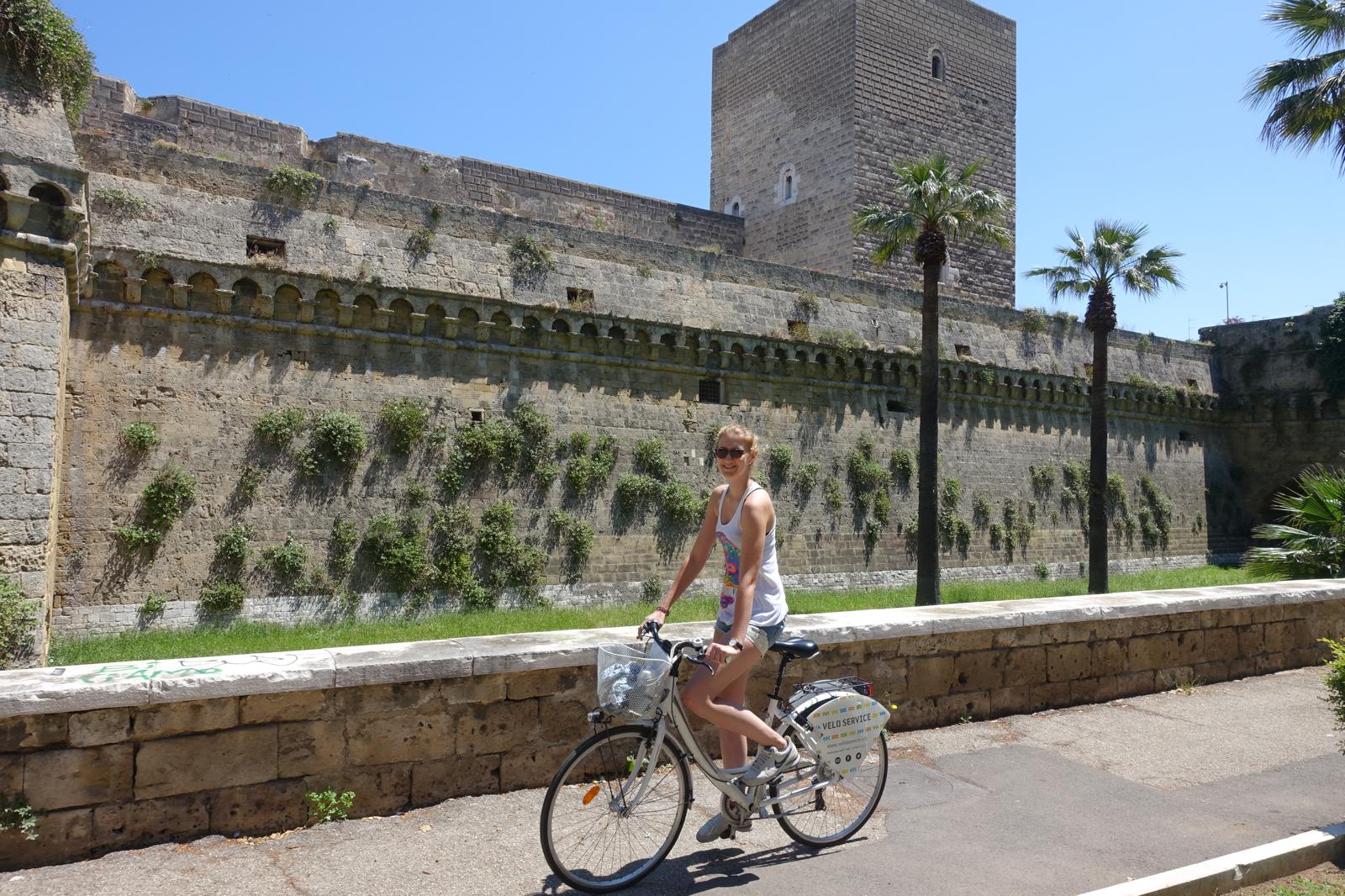
A slowmad workation is exactly what it sounds like: working remotely while living slowly in one place for three weeks or more, often alongside other people doing the same thing. It's not a holiday. It's not the frantic city-hopping that burned out an entire generation of early digital nomads. It sits somewhere in between, and for a lot of young entrepreneurs, that middle ground is where real work actually gets done.
TL;DR – The Short Version
- A slowmad workation means staying in one destination for 3+ weeks while working remotely, which is different from fast-paced digital nomadism.
- Co-living on a workation means splitting rent and costs with 4–6 other remote workers, making desirable destinations genuinely affordable.
- Living alongside other young entrepreneurs provides daily accountability, informal skill-sharing, and emotional support that solo remote work rarely offers.
- Apps like Ørth help you find travel companions who share your values and work ethic before you commit to a destination together.
- Popular slowmad hubs for 2026 include Lisbon, Medellín, Chiang Mai, Tbilisi, and Bali, all of which offer strong remote work infrastructure and existing nomad communities.
What is a slowmad workation?
A slowmad workation combines two ideas: the slowmad lifestyle, where you travel slowly and stay in each place for at least three weeks, and a workation, where you're genuinely working remotely rather than treating the trip as a vacation.
The contrast with typical digital nomadism is worth spelling out. The classic nomad playbook, popularised around 2015 to 2020, involved moving cities every few days and working from whatever café had the best WiFi. It looked great on Instagram. It was also exhausting. According to a 2023 study by Buffer on remote work trends, loneliness and collaboration difficulties remain the top challenges reported by remote workers globally, and nomadic workers feel this most acutely.
A slowmad slows all of that down on purpose. You pick a place, settle in, and build a temporary life there. Three weeks minimum, often longer. That position turns out to be surprisingly productive.
Why 3+ weeks in one place changes everything
The first week anywhere is mostly logistical. You're finding the grocery store, testing coffee shops for WiFi reliability, adjusting to a new time zone. Real work output is usually lower than you'd expect.
By week two, something shifts. You have a routine. You know which table is quiet in the mornings. The cognitive overhead of being somewhere new drops, and your focus returns.
Week three and beyond is where the slowmad model earns its reputation. You stop being a visitor and start feeling like a temporary local. You get invited to things. You have context. For remote work specifically, that stability is what makes sustained deep work possible on the road.
Researchers at the University of Melbourne found that environmental novelty, while initially stimulating, creates cognitive load that competes with complex task performance. Staying longer reduces that load while keeping enough novelty to stay energised.
What is co-living and how does it work on a slowmad workation?
Co-living, in the context of a slowmad workation, means sharing accommodation with a small group of other remote workers. Think private bedrooms, a shared kitchen, a communal living area, and ideally a dedicated workspace with reliable internet. Some purpose-built venues like Selina, Outsite, or Sun Desk in Morocco are designed exactly for this. Others are simply a villa or apartment that a group of 4–6 people books together and splits the cost on.
The financial case is straightforward. A private apartment in Lisbon for one person might cost €1,800 a month. Split a four-bedroom villa between five people and you're each paying a fraction of that, often with better amenities.
Beyond cost, shared living creates natural social infrastructure. You're not scheduling networking calls or paying for coworking day passes to meet people. You wake up and they're already there, making coffee.
A slowmad co-living workation gives you private space to work and shared space to recover, which is a combination that most home offices and solo travel setups can't offer.
The real game-changer: entrepreneurial support in a co-living setting
Building a business alone is genuinely hard. Not just tactically, but emotionally. There are weeks where nothing works, where you need someone to tell you honestly whether your pricing model makes sense or whether you're just spiralling.
That's where co-living does something a coworking space or Slack community can't replicate. When you live alongside other young entrepreneurs, the support is ambient. It happens over dinner, during a walk, at 11pm when someone's stressing about a client call. You're not scheduling it. It just exists.
Concretely: a developer in your house spots a flaw in your onboarding flow and fixes it in an afternoon. A copywriter rewrites your cold email subject line over breakfast. A founder two months ahead of you has already made the mistake you're about to make. These aren't formal mentoring relationships. They're just what happens when motivated people share a kitchen for a month.
The accountability piece matters too. When five people around you are working hard every day, slacking off feels out of place.
How to find other slowmads and co-living workation groups
Finding the right people is honestly the hardest part. The logistics of the destination come second.
A few places that actually work:
- Ørth connects eco-conscious travellers based on shared values and travel preferences, with GPS-based local matching and in-app chat. For slowmads who care about travelling responsibly, it's a natural starting point for finding a travel buddy before committing to a destination.
- Facebook groups like Digital Nomad Girls, Nomad List Community, and location-specific groups (e.g. "Remote Workers in Tbilisi") are active and practical.
- Reddit communities including r/digitalnomad and r/solotravel regularly have threads from people organising group stays.
- Platforms like Outsite and Anyplace let you filter by destination and dates, sometimes connecting you with others booking the same space.
The key filter when evaluating potential co-living partners isn't just personality. It's work schedule alignment, noise tolerance, and values around sustainability and shared costs.
Choosing the right destination for a slowmad workation
The best slowmad workation destinations share a few practical traits: reliable fast internet, affordable cost of living, a visa situation that doesn't require bureaucratic gymnastics, and an existing remote worker community to plug into.
Destinations that consistently deliver in 2026:
| Destination | Avg. Monthly Cost (Solo) | Internet Reliability | Nomad Community | Vibe |
|---|---|---|---|---|
| Lisbon, Portugal | €1,800–2,400 | Excellent | Very large | Urban, creative |
| Medellín, Colombia | €900–1,400 | Good | Large | City, spring climate |
| Chiang Mai, Thailand | €700–1,100 | Good | Very large | Relaxed, affordable |
| Tbilisi, Georgia | €700–1,200 | Excellent | Growing fast | Underrated, historic |
| Bali, Indonesia | €900–1,500 | Variable | Very large | Beach, wellness |
None of these are secrets, but they're popular for good reason. Plovdiv in Bulgaria and Oaxaca in Mexico are both worth watching as emerging alternatives. Think honestly about what environment helps you work: if you need silence and nature, Bali or Chiang Mai; if you need city energy, Lisbon or Medellín.
Is the slowmad co-living workation the concept to thrive for in 2026 and 2027?
Probably yes, and the timing isn't accidental.
Remote work has moved past the experimental phase. According to Eurostat data from 2024, over 24% of EU employees now work remotely at least part of the time, up from under 6% pre-pandemic. What's been missing is a model for doing it sustainably, with community built in.
The cost of living crisis in cities like London, Amsterdam, and Sydney has also made the financial logic compelling. Spending six weeks in Tbilisi while splitting a beautiful apartment with four other founders is often cheaper than staying home.
There's also a real shift happening among young entrepreneurs. Hustle culture is losing credibility. The people building interesting things in 2026 are increasingly prioritising community, intention, and sustainability over speed and isolation. The slowmad co-living workation model fits that shift well.
Ørth was built for exactly this moment, connecting travelers who care about sustainable travel with others who share their values and want to explore the world without burning it, or themselves, out.
Sources
- Buffer, State of Remote Work 2023, buffer.com/state-of-remote-work
- Eurostat, Employed persons working from home, 2024, ec.europa.eu/eurostat
- University of Melbourne, research on environmental novelty and cognitive load, published in Frontiers in Psychology, 2021
- Nomad List, destination data and community rankings, nomadlist.com